
Trusted Services for Anonymous Browsing
This selection features essential services that enhance your experience while ensuring privacy. Each entry offers unique functionalities suitable for various needs in the anonymous web.

Professor Mariarti
Professor Mariarti provides insights and warnings about the darknet, sharing schemes to make money and private software.

DuckDuckGo
DuckDuckGo's .onion version serves as a privacy-centric search engine, allowing secure searches without tracking.

Nexus Market
Nexus Market — A popular marketplace offering diverse digital goods with secure transactions.
ums7mctigzemj3thj7nihnbpdb4evkvwvdfd3obodu2iv2q3s522aiyd.onion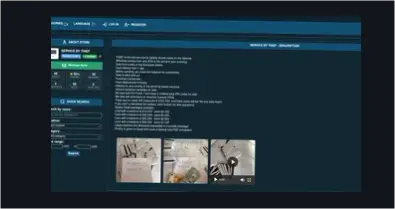
LONELY ROAD
LONELY ROAD offers a diverse marketplace with AI tools for store creation and multilingual support, ensuring a wide range of products.
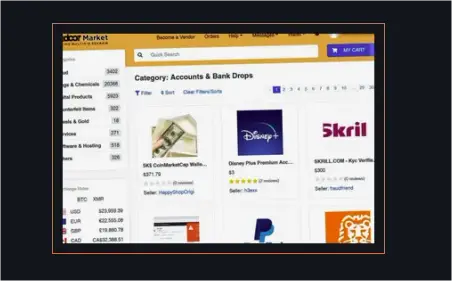
Tor2Door Market
Tor2Door Market emphasizes user privacy with encryption and multiple payment options, creating a secure shopping environment.
ytjm2aoy6o65si4xs3ltqs5jbkzyefvzlyzi4u3srqlljlcdhd6bojqd.onionDarknet search sites are specialized engines designed to index content within the dark web, which traditional search engines cannot access (1). These sites rely on methods like manually submitted addresses and community-curated lists because .onion sites lack DNS-based discovery (2).
Examples include:
What Are Darknet Search Sites and How Do They Work?
Darknet search sites are specialized engines that index content within the dark web, which is a part of the deep web that requires specific software, like Tor, for access (5). Unlike traditional search engines, they cannot crawl .onion sites due to their unique architecture and lack of DNS-based discovery. This makes the indexing process fundamentally different.
Traditional search engines like Google use web crawlers to discover and index publicly accessible content. In contrast, darknet search engines rely on several methods to gather information about .onion sites:
- Manually Submitted Addresses: Users can submit links directly to these search engines.
- Community-Curated Lists: Many dark web users contribute to lists of known sites, which help in indexing.
- Link-Following from Known Services: These engines may follow links from sites that are already indexed.
- Historical Archives: Some search engines maintain archives of previously indexed content, which can help in recovering lost links (2).
An example of a darknet search engine is Haystak, which catalogs approximately 1.5 billion pages and over 260,000 websites on the Tor network (4). In contrast, Kilos is often used for discovering dark web marketplaces without filtering search results, embracing the more illicit side of the dark web (4). Ahmia, on the other hand, focuses on filtering out illegal content while indexing .onion sites (3).
Using these search engines can facilitate access to various types of content, but users should remain cautious. Anonymity on the dark web is not guaranteed, as law enforcement and security experts continually develop means to identify hidden services or individuals (6). Always consider your privacy and security when exploring these sites.
Why Use Darknet Search Sites for Privacy and Anonymity?
Utilizing darknet search sites offers several advantages for users prioritizing privacy and anonymity. These platforms provide access to information and resources that are often unavailable on the clear web.
Enhanced Privacy
Darknet search sites operate within the Tor network, which anonymizes user activity. By using Tor, you can mask your IP address and browsing habits, making it significantly harder for third parties to track your online presence. This is particularly beneficial for individuals seeking to maintain their privacy in oppressive regimes or for those concerned about surveillance (6).
Access to Unique Information
The dark web hosts a wealth of information that is not indexed by traditional search engines. This includes forums, documents, and services that may be censored or restricted in certain regions. For example, some users turn to the dark web to access political dissent and whistleblower platforms that may not be available on the clear web. Darknet search engines like Haystak catalog billions of pages, providing access to a vast array of hidden content (4).
Avoiding Censorship
Darknet search sites can serve as effective tools against censorship. In countries where information is heavily regulated, these platforms allow users to bypass restrictions and access uncensored content. By using services like Tor, you can navigate around firewalls and access websites that might be banned or blocked in your country (6).
Conclusion
The benefits of using darknet search sites are clear: enhanced privacy, access to unique information, and the ability to avoid censorship. However, users should remain vigilant about their online safety, as anonymity is not always guaranteed on the dark web (6). Always ensure you are using secure practices, such as employing a VPN alongside Tor and being cautious about the information you share.
Top Darknet Search Sites for General Use
Exploring the dark web requires reliable search engines tailored for .onion content. Here are some of the most effective and reliable darknet search sites for everyday users:
Ahmia
Ahmia is a dedicated Tor search engine that indexes .onion sites while actively filtering out illegal content. This makes it a safer option for users looking to navigate the dark web without encountering illicit materials. Ahmia provides a straightforward interface and is known for its commitment to privacy.
- Strengths: User-friendly, filters out illegal content, good for general searches.
- Weaknesses: Limited in accessing certain types of content due to its filtering policy.
- .onion link:
ahmia.fi
DuckDuckGo Onion Service
DuckDuckGo offers a special onion service that provides a familiar search experience within the Tor Browser ecosystem. It maintains its commitment to user privacy and doesn't track user activity, making it a popular choice for those concerned about anonymity.
- Strengths: Familiar interface, strong privacy features, no tracking.
- Weaknesses: May not index all .onion sites, limiting access to some content.
- .onion link:
3g2upl4pq0drci
Torch
Torch is one of the oldest search engines for the dark web, indexing a vast number of .onion sites. It allows users to search for content without significant restrictions, making it useful for those looking for a wide range of information.
- Strengths: Extensive index of .onion sites, minimal filtering.
- Weaknesses: Increased likelihood of encountering illegal content due to lack of filtering.
- .onion link:
xmh57jrzrnw6insl.onion
TorDex
TorDex is a search engine that provides a comprehensive directory of .onion sites. It allows users to browse and search for specific content efficiently. The site is particularly useful for finding niche resources that may not be easily discoverable elsewhere.
- Strengths: Comprehensive directory, efficient search capabilities.
- Weaknesses: May not be as user-friendly as some other search engines.
- .onion link:
tordex.com
Haystak
Haystak is a powerful dark web search platform that catalogs about 1.5 billion pages and over 260,000 websites on the Tor network. It is ideal for users looking for extensive information and resources, particularly those involved in research.
- Strengths: Vast cataloging of dark web content, effective for detailed searches.
- Weaknesses: May include illegal content, requiring users to exercise caution.
- .onion link:
haystakvxad7wbk5.onion
These search sites each have their unique strengths and weaknesses, allowing users to choose based on their specific needs and concerns regarding privacy and content accessibility.
How to Safely Access and Use Darknet Search Sites
To explore darknet search sites effectively, you must prioritize security and anonymity. Here’s a step-by-step guide on how to use the Tor Browser safely.
Step-by-Step Guide
Download and Install Tor Browser:
- Obtain the Tor Browser from the official Tor Project website. Always ensure you are downloading from a legitimate source to avoid malware.
Use a VPN:
- Before launching Tor, consider using a VPN to add an extra layer of security. This helps to mask your IP address from potential surveillance.
Launch Tor Browser:
- Open the Tor Browser and connect to the Tor network. This will allow you to access .onion sites, which are exclusive to the dark web.
Adjust Security Settings:
- In the Tor Browser, navigate to the security settings and set the security level to "Safest." This disables scripts and certain features that can compromise your security.
Avoid Personal Information:
- Do not use your real name, email, or any personal details on the dark web. This helps maintain your anonymity.
Verify .onion Addresses:
- Be cautious with .onion links. Verify addresses through trusted sources or community-curated lists like the Hidden Wiki. This reduces the risk of accessing malicious sites.
Disable Scripts:
- Ensure that JavaScript is disabled in the browser settings. This minimizes vulnerabilities that can be exploited by malicious actors.
Be Cautious with Downloads:
- Avoid downloading files from the dark web unless you are certain of their safety. Malicious software can compromise your device.
Log Out and Clear Data:
- After using the Tor Browser, always log out of any accounts you accessed and clear your browsing data to enhance your security.
Additional Security Practices
Regularly Update Tor Browser:
- Keep your Tor Browser updated to benefit from the latest security features and bug fixes.
Use Secure Connections:
- Always look for HTTPS connections on .onion sites when available. This adds a layer of encryption.
Stay Informed:
- Follow community forums and resources to stay updated on potential threats and safe practices within the dark web.
By following these steps, you can safely navigate darknet search sites while maintaining your privacy and security.
Finding Specific Information: Tips for Effective Searching
Crafting effective search queries is crucial when navigating the dark web. The unique structure of the dark web requires different strategies than those used on the surface web. Here are some tips to enhance your search experience.
Strategies for Crafting Search Queries
Use Specific Keywords:
- Instead of generic terms, include specific phrases or keywords related to the content you seek. For example, if looking for cryptocurrency-related forums, use "cryptocurrency discussion" rather than just "cryptocurrency."
Leverage Boolean Operators:
- Utilize operators like AND, OR, and NOT to refine your searches. For instance, searching for "hacker AND forum" will yield pages that contain both terms, narrowing your results effectively.
Consider Synonyms:
- Different communities may use varied terminology. If initial searches yield limited results, try synonyms or related terms. For example, "anonymity" could also be searched as "privacy."
Utilize Quotation Marks:
- Enclose phrases in quotation marks to search for exact matches. Searching for "dark web marketplaces" will return results that contain that exact phrase, reducing irrelevant results.
Limitations of Darknet Search Engines
Darknet search engines have inherent limitations due to the nature of .onion sites. Unlike traditional search engines, they often cannot index content effectively. Key limitations include:
Manual Submission Requirement: Many dark web search engines rely on users to submit .onion addresses. This can lead to incomplete indexing, as not all sites will be represented (2).
Limited Crawling Capabilities: Darknet search engines cannot crawl .onion sites in the same way as surface web sites. They often depend on community-curated lists or historical data, making it challenging to discover new content (1).
Potential for Incomplete Results: Users may not find all relevant information due to the fragmented nature of the dark web. Some search engines may index only specific types of content or filter out illegal material, which can limit access to certain resources (3).
Alternative Methods for Finding Specific Content
When traditional searches fall short, consider these alternative methods:
Curated Directories: Platforms like the Hidden Wiki can provide curated lists of .onion sites categorized by content type. These directories help users discover reliable resources without extensive searching (6).
Community Forums: Engaging in dark web forums can yield valuable insights and recommendations for finding specific content. Users often share links and resources that may not be indexed by search engines.
Specialized Search Engines: Explore engines like Haystak, which catalogs billions of pages on the Tor network, or Ahmia, which filters out illegal content. These engines can provide a broader range of information (4) (3).
By employing these strategies and understanding the limitations of dark web search engines, you can enhance your ability to find specific information while navigating the dark web.
Understanding Onion Links and the Deep Web
Onion links are unique web addresses that enable access to .onion sites, primarily hosted on the dark web. These links are only accessible through specialized software like the Tor Browser, which anonymizes user activity. The term "onion" refers to the layers of encryption that protect user data and the content accessed.
The deep web encompasses all parts of the internet not indexed by traditional search engines. This includes databases, private corporate sites, and other content that requires authorization to access. The dark web is a smaller segment of the deep web, intentionally hidden and requiring specific software, such as Tor, for access (5).
Differences Between Deep Web and Dark Web
Deep Web:
- Contains non-indexed sites, such as academic databases and private company websites.
- Most content is legitimate and legal.
Dark Web:
- Comprises hidden sites, often associated with anonymity and illegal activities.
- Requires special software for access, making it more challenging to navigate.
How Search Engines Interact with These
Dark web search engines function differently from those on the surface web. They often rely on manually submitted .onion addresses, link-following from known services, and community-curated lists due to the lack of DNS-based discovery for .onion sites (2). For example, search engines like Ahmia focus on indexing specific .onion sites while filtering out illegal content, making it safer for users (3).
Conversely, search engines like Kilos do not filter results, embracing a broader range of content, including illicit offerings (4). The nature of the dark web means that search engines cannot crawl .onion sites in the same way as traditional sites, leading to incomplete indexing (1).
Understanding onion links and the distinctions between the deep web and dark web is essential for navigating these spaces effectively. By utilizing dedicated search engines and remaining aware of the unique characteristics of these networks, you can enhance your exploration while maintaining your privacy and security.
Common Pitfalls and How to Avoid Them
Navigating the dark web presents unique challenges. Understanding common mistakes can help you stay safe and maintain your privacy.
Common Mistakes
Clicking Malicious Links:
- The dark web is rife with phishing and scam sites. Clicking on unverified .onion links can lead to malware or data theft. Always verify links through trusted sources, like community-curated lists.
Using Non-Tor Browsers:
- Accessing .onion sites requires the Tor Browser. Using standard browsers exposes your IP address and defeats the purpose of anonymity (5). Always download Tor from the official website to avoid malicious software.
Overlooking Security Settings:
- Many users neglect to adjust security settings in the Tor Browser. Setting the security level to "Safest" disables potentially harmful scripts and features that could compromise your safety (6).
Revealing Personal Information:
- Sharing personal details online can lead to identity theft. Avoid using real names, emails, or any identifiable information while navigating the dark web.
Ignoring Legal Implications:
- Engaging in illegal activities, such as purchasing illicit goods, can have serious legal consequences. Law enforcement agencies are increasingly targeting dark web activities, and anonymity is not guaranteed (6). Understand the laws in your jurisdiction before accessing certain content.
Practical Advice for Safe Navigation
Use a VPN:
- Combining a VPN with Tor adds an extra layer of security by masking your IP address from potential surveillance.
Verify Sources:
- Use trusted directories like the Hidden Wiki or filtered search engines like Ahmia to find legitimate .onion sites (3).
Disable Scripts:
- Ensure JavaScript is disabled in your Tor Browser settings to minimize vulnerabilities (6).
Be Cautious with Downloads:
- Only download files from sources you trust. Malicious files can compromise your device.
Stay Informed:
- Follow forums and communities dedicated to dark web safety to stay updated on new threats and best practices.
By being aware of these common pitfalls and implementing safety measures, you can navigate the dark web more securely while protecting your privacy.
Comprehensive Darknet Search Sites and Safety Checklist
- Search Site
- Haystak
- .onion Link
- haystakvxad7f4j.onion
- Content Type
- General Search
- Safety Features
- 1.5 billion pages indexed
- Search Site
- Kilos
- .onion Link
- kilos5qg3v6g3h.onion
- Content Type
- Marketplaces
- Safety Features
- No content filtering
- Search Site
- Ahmia
- .onion Link
- ahmia.fi
- Content Type
- Filtered Search
- Safety Features
- Excludes illegal content
- Search Site
- DuckDuckGo on Tor
- .onion Link
- 3g2upl4pq6kufc4m.onion
- Content Type
- General Search
- Safety Features
- User-friendly interface
Key Takeaways
We have explored the landscape of darknet search sites and essential safety practices. To ensure a secure and effective experience, remember these points:
- Always use the Tor Browser for accessing .onion sites, and download it only from the official source.
- Prioritize your security settings within Tor Browser, opting for "Safest" to disable potentially harmful scripts.
- Exercise extreme caution with all downloads and links; verify sources before interacting with them.
- Understand the limitations of darknet search engines and use curated directories or community forums for reliable information.
- Avoid sharing any personal information to protect your identity.
For further details on the fundamental concepts, we recommend reviewing our guide on Dark Web Explained.
People also ask
Are dark web websites illegal?
No, dark web websites are not inherently illegal. Many individuals use anonymizing services like Tor for legal activities such as maintaining free speech, privacy, and anonymity, or as anti-censorship tools to access blocked content (6). The legality depends on the specific activities conducted on these sites.
How can I find dark web sites?
You can find dark web sites using specialized dark web search engines like Haystak, which indexes about 1.5 billion pages on the Tor network (4). Other options include Ahmia, which filters out illegal content (3), or Kilos, often used for marketplaces without content filtering (4). Due to the lack of DNS-based discovery, these engines rely on manually submitted addresses and community-curated lists (2).
How do I access dark web sites?
You access dark web sites using specialized software, primarily the Tor Browser. This software routes your internet traffic through a network of relays, encrypting your connection and anonymizing your online activity (5). Always download the Tor Browser from its official website to ensure security.
Can the FBI track Tor?
Anonymity on the dark web is not guaranteed, as law enforcement and security experts constantly develop means to identify or deanonymize hidden services or individuals (6). While Tor provides strong anonymity, it is not impenetrable, and advanced techniques can sometimes compromise user privacy.
Darknet search sites free
Several darknet search sites are available for free, such as Haystak, which indexes a vast number of pages on the Tor network (4). Ahmia is another free option that actively filters out illegal content (3), and DuckDuckGo on Tor offers a user-friendly interface for searching within the Tor Browser ecosystem (7).
Footnotes
- A Primer on DarkNet Marketplaces
- 12.5 Darknet Search Engines: How They Crawl Hidden Services | Master-Darknet
- The Best Tor Search Engines for Anonymity on the Dark Web
- Top Dark Web Search Engines in 2024 | Webz
- The Dark Web: An Overview
- The Dark Web: An Overview
- Best Tor search engines in 2024 / Blog / DeepWeb
Discover More Resources on Darknet Exploration
Explore additional guides and insights to enhance your journey.
View More Guides